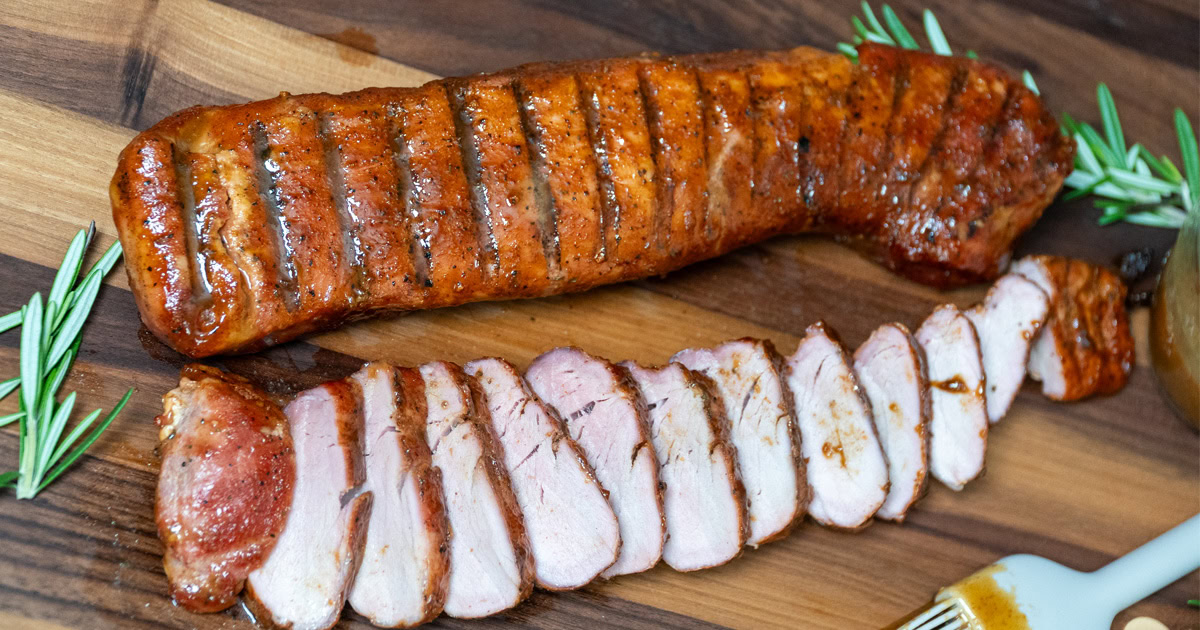
Effortless Smoked Pork Tenderloin: Your Guide to Juicy Flavor
Imagine a meal that's both incredibly simple to prepare and delivers an explosion of juicy, smoky flavor. That's precisely what you get with a perfectly smoked pork tenderloin. This often-overlooked cut of meat transforms into a culinary masterpiece on the smoker, making it an ideal choice for a quick weeknight dinner or an impressive dish for a special occasion. Forget dry, bland pork – we're about to unlock the secret to tender, flavorful results every single time. Pork tenderloin is lauded for its lean nature and quick cooking time, but it's often feared for its potential to dry out. Smoking, however, is a game-changer. By cooking it low and slow, the meat gently absorbs rich, aromatic smoke, infusing it with flavor and maintaining its succulent texture without needing excessive fat. It’s also a highly versatile canvas, allowing you to experiment with a myriad of rubs, marinades, and sauces to suit any palate. Plus, pork tenderloin is readily available at most grocery stores and frequently goes on sale, making it a budget-friendly option for elevated home cooking.Crafting the Perfect Flavor Profile: Rubs, Marinades, and Wood Smoke
The true beauty of smoked pork tenderloin lies in its adaptability. You can steer its flavor in countless directions, from sweet and savory to bold and spicy. The foundation of this flavor journey starts with your choice of wood, rub or marinade, and finishing sauce.Choosing Your Smoke Wood
The type of wood you use plays a significant role in the final taste. For pork, certain woods offer a natural affinity that enhances its inherent sweetness:
- Applewood: This is arguably the champion for pork. Applewood imparts a mild, sweet, and fruity smoke that perfectly complements the delicate flavor of pork tenderloin. It’s a classic pairing for a reason, creating a balanced and inviting aroma.
- Cherry Wood: Similar to apple, cherry wood offers a slightly sweeter, fruitier smoke with a beautiful reddish hue that can develop on the meat.
- Pecan Wood: For a slightly nuttier, more robust flavor than fruitwoods, pecan is an excellent choice that still remains relatively mild compared to hickory or mesquite.
Rubs and Marinades: The First Layer of Flavor
Before the smoke even touches your pork, you have the opportunity to build a rich flavor base:
- Dry Rubs: A good dry rub creates a delicious 'bark' on the outside of the tenderloin while infusing it with spices. A balanced rub often includes a mix of sweet (brown sugar), savory (garlic powder, onion powder, paprika), and a touch of heat (cayenne pepper). Applying a generous layer of rub ensures every bite is packed with flavor. You can purchase pre-made rubs, or easily mix your own for a customized touch.
- Marinades: For an extra boost of moisture and an even deeper flavor penetration, consider marinating your pork tenderloin. A simple yet effective marinade can include apple juice, honey, a touch of brown sugar, fresh thyme, black pepper, and even a dash of your favorite poultry rub. Allow the tenderloin to soak in this mixture for 2-3 hours in the refrigerator. This step is particularly beneficial for lean cuts like tenderloin, helping to keep them incredibly juicy.
Finishing Sauces: The Sweet & Tangy Glaze
While optional, a finishing sauce can elevate your smoked pork tenderloin to new heights. Applied towards the end of the smoking process, the sauce caramelizes, creating a sticky, flavorful glaze.
- Whiskey Peach BBQ Sauce: A popular choice, this sauce offers a delightful balance of sweet, tangy, and a hint of boozy complexity. Its fruitiness pairs wonderfully with pork.
- Classic BBQ Sauce: Whether sweet, spicy, or smoky, your favorite bottled BBQ sauce will work beautifully.
The key is to apply the sauce during the last phase of smoking, allowing it to adhere and slightly reduce without burning.
Your Step-by-Step Guide to Smoking Pork Tenderloin
Ready to create an unforgettable meal? Follow this straightforward process for perfectly juicy, flavorful smoked pork tenderloin.Equipment You'll Need:
- Smoker (pellet, electric, charcoal, or offset)
- Wood pellets or chunks (applewood recommended)
- Meat thermometer (leave-in probe recommended)
- Sharp knife
- Cutting board
Ingredients:
- 1-2 lbs pork tenderloin
- Your chosen dry rub (approx. 2-3 tablespoons per tenderloin) OR marinade ingredients
- Your favorite BBQ sauce (optional, about 1/2 cup)
Instructions:
- Prepare the Pork:
- Unwrap the pork tenderloin. Identify and trim any silverskin – a thin, silvery membrane on the surface. This membrane can become tough when cooked and should be removed for a tender result. Use a sharp knife to carefully slide it off.
- Pat the tenderloin dry with paper towels.
- Optional Marinade: If marinating, place the tenderloin in a bowl or zip-top bag with your marinade and refrigerate for 2-3 hours. Remove from marinade and pat dry before proceeding.
- Season Generously:
- Evenly coat the pork tenderloin on all sides with your chosen dry rub. Don't be shy; a good layer of rub creates that desirable bark and flavor.
- For an even deeper dive into achieving peak flavor with lean cuts, check out our guide on Unlock Flavor: How to Smoke Lean Pork Tenderloin to Perfection.
- Preheat Your Smoker:
- Set your smoker to a temperature between 225°F and 250°F (107°C-121°C). Allow it to preheat for at least 15-20 minutes with the lid closed to ensure a consistent temperature and good smoke production. Add your applewood or preferred wood chunks/pellets.
- Initial Smoke:
- Carefully place the seasoned pork tenderloin directly onto the smoker grates. Insert a reliable meat thermometer probe into the thickest part of one tenderloin, ensuring it doesn't touch bone or go all the way through.
- Close the lid and smoke the pork tenderloin until the internal temperature reaches 135°F (57°C). Smoking it low and slow during this stage is crucial for maximum smoke absorption and flavor.
- Apply the Sauce (Optional):
- Once the internal temperature hits 135°F (57°C), open the lid and generously brush or lather your favorite BBQ sauce over all sides of the tenderloin.
- Close the lid and continue smoking.
- Final Cook to Doneness:
- Continue to smoke until the internal temperature of the pork tenderloin reaches 145°F (63°C). This typically takes about 1 to 2 hours in total, depending on the thickness of your tenderloin and the consistency of your smoker's temperature.
- Rest, Slice, and Serve:
- This step is critical! Once the pork reaches 145°F (63°C), remove it immediately from the smoker and transfer it to a cutting board. Tent it loosely with foil and let it rest for 5-10 minutes. This allows the juices to redistribute throughout the meat, ensuring a supremely tender and moist result.
- After resting, slice the pork tenderloin against the grain into ½-inch thick medallions. Serve immediately and savor the incredible flavor!
Mastering the Smoke: Tips for Juicy Perfection
While the recipe is straightforward, a few key tips can elevate your smoked pork tenderloin from good to absolutely phenomenal.- Trust Your Thermometer: Internal temperature is your most reliable indicator of doneness, not cook time. Pork tenderloin is a lean cut and can dry out quickly if overcooked. Aim for 145°F (63°C) for a juicy, slightly pink center, which is considered safe for pork.
- Don't Skip the Rest: Resting meat is non-negotiable. It allows the muscle fibers to relax and reabsorb juices that have migrated to the center during cooking. Without resting, those precious juices would simply run out onto your cutting board, leaving you with drier meat.
- Monitor Smoker Temperature: Consistency is key. Fluctuations in your smoker's temperature can lead to uneven cooking or extended cook times. Keep an eye on your smoker's thermometer.
- Embrace "Low and Slow" for Flavor: While you *can* increase your smoker's temperature to cook faster, smoking at 225-250°F (107-121°C) allows the meat more time in the smoke, resulting in a deeper, richer smoke flavor. However, if you're truly pressed for time, methods for Quick Smoked Pork Tenderloin: A Versatile Meal for Any Occasion exist, though they may yield slightly less smoke penetration.
- Slice Against the Grain: This simple technique shortens the muscle fibers, making the meat feel more tender and easier to chew.
