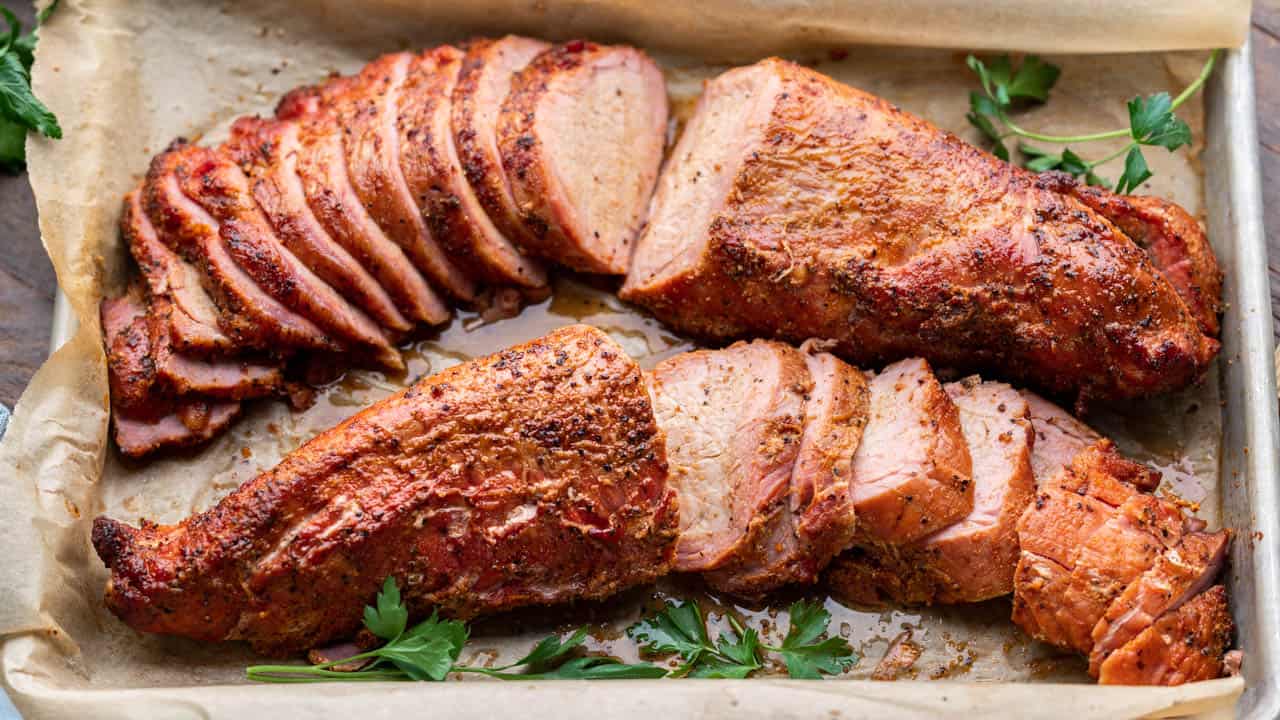
The Undeniable Appeal of Quick Smoked Pork Tenderloin
In the culinary world, few ingredients strike the perfect balance between elegance and ease quite like pork tenderloin. When you introduce the magic of the smoker, this already stellar cut transforms into something truly exceptional: a smoked pork tenderloin that's bursting with flavor, incredibly juicy, and surprisingly simple to prepare. Far from being an intimidating endeavor, smoking pork tenderloin is an accessible technique that yields impressive results, making it an ideal choice for a casual weeknight dinner or a sophisticated centerpiece for your next special occasion.
What makes smoked pork tenderloin such a versatile hero in the kitchen? Firstly, its inherent leanness means it cooks relatively quickly while remaining tender. Unlike fattier cuts that demand hours on the smoker, tenderloin can be ready in about an hour, sometimes up to two depending on thickness and smoker temperature. This speed doesn't compromise on flavor; instead, the low and slow kiss of smoke permeates the meat, infusing it with an aromatic depth that simply can't be achieved through other cooking methods. Secondly, its mild flavor profile is a blank canvas, eagerly awaiting your creative touch with rubs, marinades, and sauces. From sweet and savory to spicy and tangy, the flavor possibilities are endless, ensuring that each smoked pork tenderloin can be a unique culinary experience.
Beyond its culinary attributes, pork tenderloin is also a practical choice. It's readily available in most grocery stores and frequently goes on sale, offering excellent value. This combination of affordability, ease, and flavor makes lean smoked pork tenderloin an intelligent addition to any home cook's repertoire, promising gourmet results without the fuss.
Crafting Flavor: Rubs, Sauces, and the Perfect Smoke
The beauty of smoking pork tenderloin lies in the layers of flavor you can build. While the smoke itself provides a foundational taste, the real artistry comes from your choice of seasoning and accompanying sauces. This section explores how to select and apply these elements for a truly memorable dish.
The Art of the Rub
A good rub is the first step in enhancing your pork tenderloin's natural flavors. For a balanced profile, consider a sweet and savory rub with a hint of heat. Think brown sugar, paprika, garlic powder, onion powder, a touch of cayenne, salt, and black pepper. This blend creates a beautiful crust and complements the smoky notes. You can purchase high-quality pre-made rubs from specialty stores or easily whip up your own at home, tailoring the spice levels to your preference. The key is to apply the rub generously, coating all sides of the tenderloin to ensure every bite is packed with flavor.
The Magic of Marinades
While not strictly necessary for such a naturally tender cut, a marinade can add an extra layer of moisture and flavor, especially if you're looking to infuse specific notes like sweetness or herbs. A simple marinade consisting of apple juice, honey, fresh thyme, a touch of brown sugar, and black pepper can work wonders. Marinating for 2-3 hours in the refrigerator allows these flavors to penetrate the meat, contributing to a more complex and succulent final product. This step is particularly beneficial for keeping the lean tenderloin from drying out during the smoking process.
Choosing Your Wood: The Aroma of Success
The type of wood you use in your smoker significantly impacts the final flavor profile of your smoked pork tenderloin. For pork, many pitmasters swear by fruitwoods. Applewood is a perennial favorite, offering a mild, sweet, and fruity smoke that perfectly complements the subtle sweetness of pork. It creates a harmonious pairing that's hard to beat. Other excellent choices include cherry for a slightly stronger fruitiness and a beautiful reddish hue, or pecan for a nutty, milder smoke. Avoid overly strong woods like mesquite unless you prefer a very intense smoky flavor, as they can sometimes overpower the delicate taste of tenderloin.
The Perfect Glaze: Finishing with Sauce
A final glaze of BBQ sauce can elevate your smoked pork tenderloin from great to extraordinary. Apply your favorite BBQ sauce during the last phase of smoking, allowing it to caramelize slightly and adhere to the meat. A whiskey peach BBQ sauce, with its delightful blend of sweetness, tang, and a hint of warmth, pairs exceptionally well with pork. However, don't feel limited – a classic Kansas City style, a vinegar-based sauce, or even a simple honey glaze can all be fantastic choices. This final step adds a burst of flavor and a beautiful sheen, making the tenderloin visually appealing and incredibly delicious.
Your Step-by-Step Guide to Perfectly Smoked Pork Tenderloin
Ready to embark on your smoking adventure? Here’s a straightforward guide to achieving a perfectly juicy and flavorful smoked pork tenderloin every time.
Preparation is Key
- Trim the Tenderloin: Pork tenderloins typically come with a thin, silverskin membrane on one side. This silvery tissue doesn't render or break down during cooking and can be tough, so it's best to remove it. Use a sharp knife to carefully slide underneath the silverskin and gently pull it away. You can also trim any excess fat, though there's usually very little on tenderloin.
- Season Generously: If using a marinade, ensure your tenderloin has soaked for the recommended time. Otherwise, apply your chosen rub generously to all sides of the pork. Don't be shy; a good layer of rub creates that desired crust and injects maximum flavor.
Fire Up the Smoker
- Preheat Your Smoker: Set your smoker to a consistent temperature, ideally around 225°F (107°C). Allow it to preheat for at least 15-20 minutes with the lid closed to ensure it reaches and stabilizes at the target temperature. If your smoker has a "Super Smoke" or similar feature, now is a great time to engage it for maximum smoke penetration.
- Add Your Wood: Place your chosen wood (applewood is highly recommended for pork) into the smoker, whether it's pellets, chips, or chunks, according to your smoker's instructions.
The Smoking Process
- Smoke the Pork Tenderloin: Once the smoker is preheated, place the seasoned pork tenderloins directly on the grill grates. Insert a reliable meat thermometer into the thickest part of one tenderloin, ensuring it doesn't touch any bone or go all the way through. Close the lid and let the magic happen. Smoke the pork until the internal temperature reaches approximately 135-140°F (57-60°C). This initial phase will take about 45-75 minutes, depending on the thickness of your tenderloins and smoker consistency.
- Apply the Sauce (Optional): Once the tenderloin hits the desired internal temperature (around 135-140°F), it's time to add your favorite BBQ sauce. Liberally brush or slather the sauce over all sides of the tenderloin. Close the lid and continue smoking.
- Finish Cooking: Continue to smoke until the internal temperature reaches a safe and juicy 145°F (63°C). This final stage after saucing typically takes another 10-15 minutes. Remember, internal temperature is your most accurate guide, not just time.
Rest and Serve
- Rest the Meat: This step is non-negotiable for juicy meat! Immediately remove the tenderloin from the smoker once it hits 145°F. Transfer it to a cutting board and tent it loosely with foil for 5-10 minutes. Resting allows the juices to redistribute throughout the meat, ensuring every slice is incredibly moist and flavorful.
- Slice and Enjoy: After resting, slice the pork tenderloin against the grain into ½-inch thick medallions. Serving it against the grain helps maximize tenderness. Present it beautifully and prepare for rave reviews!
Tips for Success & Elevating Your Smoked Tenderloin Experience
While the process is straightforward, a few key tips can ensure your smoked pork tenderloin is always a triumph.
- Invest in a Good Thermometer: This is your most critical tool. An accurate probe thermometer is essential for monitoring internal temperature and preventing overcooking, which is the nemesis of lean cuts like tenderloin.
- Don't Fear a Higher Temp: While low and slow is ideal for maximum smoke flavor, if you're truly in a hurry, you can increase your smoker's temperature to 250-275°F (120-135°C). The cooking time will shorten, but you'll still get a wonderful smoky flavor and tender result. Just keep a closer eye on the internal temperature.
- Consider Brining (Advanced Tip): For an extra layer of moisture and seasoning, particularly if you're concerned about dryness, a simple brine before smoking can make a noticeable difference. A basic brine consists of water, salt, sugar, and optional aromatics like bay leaves, peppercorns, and garlic.
- Slice Against the Grain: Always slice meat against the grain. This shortens the muscle fibers, making each bite more tender and enjoyable.
- Versatility Beyond the Plate: Leftover smoked pork tenderloin is fantastic! Slice it thin for sandwiches, chop it for salads, or even dice it into tacos. Its lean nature and smoky flavor make it a wonderful addition to various dishes.
- Experiment with Flavors: Don't stick to one rub or sauce. Try a spicy jerk rub, an herb-crusted tenderloin, or a sweet and tangy pineapple glaze. The tenderloin's mildness welcomes experimentation.
Why Smoked Pork Tenderloin is Your Next Go-To Meal
From its incredible ease of preparation to its undeniable versatility in flavor, smoked pork tenderloin stands out as a culinary champion. It's a lean, healthy protein that readily absorbs the enticing aromas of wood smoke, transforming into a moist, tender, and deeply satisfying dish. Whether you're aiming for a quick and simple weeknight meal, elevating a casual gathering, or impressing guests with a sophisticated entree, this recipe delivers on all fronts. Its affordability, coupled with its consistent deliciousness, makes it an intelligent choice for any home cook looking to infuse their table with gourmet flavors without the complexity. Embrace the smoker, experiment with your favorite rubs and sauces, and discover why smoked pork tenderloin is destined to become a beloved staple in your culinary rotation.
