Unlock Flavor: How to Smoke Lean Pork Tenderloin to Perfection
Imagine a dish that’s both incredibly simple to prepare and exquisitely flavorful, capable of elevating a weeknight dinner or gracing a special occasion with equal ease. That’s precisely what you get with a perfectly smoked pork tenderloin. This lean, versatile cut of meat is a dream for any pitmaster, from novice to seasoned pro, offering a canvas for countless flavor profiles.
Smoking pork tenderloin transforms an already tender cut into something truly extraordinary. The low and slow cooking process infuses the meat with a gentle, aromatic smoke, while preserving its natural juiciness without the need for excessive fat. If you’ve ever hesitated to smoke leaner meats, this guide will show you why pork tenderloin is the ideal place to start, promising a succulent, melt-in-your-mouth experience every time.
Why Choose Smoked Pork Tenderloin? The Lean, Flavorful Secret
Pork tenderloin stands out in the world of barbecue for several compelling reasons. Firstly, it’s an incredibly lean cut, making it a healthier option compared to fattier pork shoulders or ribs. For those watching their fat intake, but unwilling to compromise on taste, smoked pork tenderloin is a revelation. The smoking process itself adds a depth of flavor that complements this leanness beautifully, without drying out the meat. Instead, the gentle heat and moisture from the smoker keep the tenderloin incredibly moist and tender.
Beyond its health benefits, pork tenderloin is remarkably versatile. Its mild flavor profile readily absorbs the essence of whatever rubs, marinades, or sauces you choose to pair it with. This means you can easily customize your meal to suit any palate or theme, from sweet and smoky to spicy and savory. Furthermore, tenderloin is widely available in grocery stores and often goes on sale, making it an economical choice for a gourmet-quality meal. Its quick cooking time – typically around an hour – also makes it an excellent candidate for a weekday dinner, disproving the myth that smoking meat is always an all-day affair.
While other cuts of pork benefit from long hours to break down connective tissue and render fat, tenderloin's inherent tenderness means it just needs enough time to absorb smoke and reach the perfect internal temperature. This characteristic makes it a unique and rewarding cut for smoking, allowing you to focus more on flavor experimentation and less on lengthy cooking times.
Mastering the Fundamentals: Prepping for Your Perfect Smoke
Achieving a perfect smoked pork tenderloin begins with proper preparation. While relatively little effort is required, these initial steps are crucial for ensuring a flawless result.
Trimming for Success
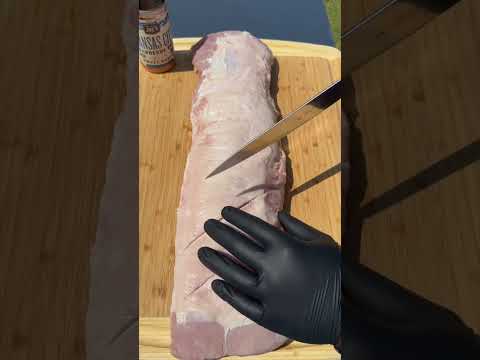
Pork tenderloin typically comes with a thin, silvery membrane known as "silver skin" running along one side. Unlike fat, silver skin will not render during cooking; instead, it becomes tough and chewy, making the tenderloin less enjoyable. To remove it, slide a sharp knife just under one end of the silver skin, angle it slightly upwards, and gently pull the membrane taut with your other hand while running the knife along its underside. This process ensures a more tender bite.
Flavor Foundation: Rubs and Marinades
This is where the real fun begins! You have two main routes to inject flavor into your pork tenderloin:
- Dry Rubs: A well-balanced dry rub is a fantastic choice for smoked pork tenderloin. A popular option combines sweet, savory, and a hint of heat—think brown sugar, paprika, garlic powder, onion powder, salt, pepper, and a touch of cayenne. The sugar in the rub helps create a beautiful bark, while the spices penetrate the surface, adding complexity. Generously apply your chosen rub to all sides of the trimmed tenderloin, ensuring an even coating. For deeper flavor, you can rub it a few hours in advance or even overnight, allowing the spices to meld.
- Marinades: For an alternative flavor profile and added moisture, consider a wet marinade. A sweet honey and thyme mixture, perhaps with a touch of apple juice or cider vinegar, can infuse the tenderloin with vibrant taste. Marinades not only add flavor but can also tenderize the meat slightly. Allow the tenderloins to marinate for 2-3 hours in the refrigerator, ensuring they are fully coated. Be mindful not to marinate for too long, as the acids in some marinades can start to "cook" the meat, altering its texture.
Wood Selection: The Scent of Success
The type of wood you choose for your smoker will significantly impact the final flavor of your smoked pork tenderloin. While many woods can work, one consistently shines when paired with pork:
- Applewood: This is a classic for a reason. Applewood imparts a mild, sweet, and fruity smoke that perfectly complements the subtle flavors of pork. It’s never overpowering, ensuring the tenderloin's natural taste still comes through.
- Other considerations: If you're looking for a slightly different nuance, cherry wood offers a similar fruity sweetness but with a slightly bolder character and a beautiful mahogany color. Pecan provides a nutty, mild smoke that also pairs well. However, for your first venture, or if you want a reliable crowd-pleaser, stick with apple.
The Smoking Process: Low and Slow to Juicy Perfection
With your tenderloin prepped and ready, it's time to fire up the smoker. The key to a succulent smoked pork tenderloin lies in maintaining consistent temperatures and monitoring the internal doneness.
Smoker Setup and Temperature
Preheat your smoker to a stable temperature. Many pitmasters find that 225°F (107°C) is ideal for smoking pork tenderloin, allowing for excellent smoke penetration without drying out the lean meat. Ensure your smoker is at temperature and holding steady for at least 15-20 minutes with the lid closed before introducing the meat. If your smoker has a "Super Smoke" or similar feature, now is the time to engage it for maximum flavor infusion.
Monitoring Internal Temperature: The Golden Rule
Because pork tenderloin is so lean, it can go from perfectly juicy to dry in a matter of minutes if overcooked. This is why a reliable meat thermometer is your best friend. Insert the probe into the thickest part of one of the tenderloins, ensuring it doesn't touch any bone (though tenderloin is boneless) or pass all the way through to the other side.
Here’s the target breakdown:
- First Check (Optional but Recommended for Saucing): Smoke the pork tenderloin until the internal temperature reaches 135°F (57°C). At this point, if you plan to baste with BBQ sauce, it’s the perfect time to apply a generous layer. This allows the sauce to caramelize and build a beautiful glaze during the remaining cook time.
- Final Doneness: Continue smoking until the internal temperature reaches 145°F (63°C). This is the USDA-recommended minimum safe internal temperature for pork and will result in a tender, slightly pink, and incredibly juicy tenderloin. Remove the tenderloin from the smoker immediately once it hits this mark. Remember that carryover cooking will raise the temperature a few more degrees while it rests.
Timing and Variability
Smoking pork tenderloin typically takes around 1 to 2 hours, depending on the thickness of your tenderloins and the consistency of your smoker's temperature. While you can increase the smoker temperature to speed things up if you're in a hurry, remember that smoking "low and slow" for the full duration results in the most profound smoke flavor. Be patient; the extra flavor is worth it.
For more insights on cooking times and various methods, you might find Effortless Smoked Pork Tenderloin: Easy Recipe for Juicy Flavor particularly helpful.
The Sauce Stage: A Glaze of Glory
If you've chosen to add BBQ sauce, applying it at the 135°F (57°C) mark allows it to warm through, thicken, and form a delicious glaze without burning. A whiskey peach BBQ sauce or your absolute favorite can add another layer of flavor and moisture. Close the smoker lid after saucing and continue cooking until the final internal temperature of 145°F (63°C) is reached. Be mindful of sauces with high sugar content, as they can burn if applied too early or cooked at too high a temperature.
The Grand Finale: Rest, Slice, and Savor
You’re almost there! The final steps are just as crucial as the smoking process itself to ensure maximum tenderness and juiciness.
The Importance of Resting
Once your smoked pork tenderloin reaches 145°F (63°C) and is removed from the smoker, it's vital to let it rest. Tent it loosely with foil and allow it to sit for at least 5-10 minutes. This resting period allows the muscle fibers to relax and the internal juices to redistribute throughout the meat. If you slice it too soon, those delicious juices will simply run out onto your cutting board, leaving you with a drier result. Don't skip this step!
Slicing Against the Grain
After resting, it’s time to slice. Always cut the pork tenderloin against the grain. The "grain" refers to the direction in which the muscle fibers run. Slicing against them shortens these fibers, making each bite significantly more tender. Aim for 1/2-inch thick medallions. This thickness provides a satisfying bite while showcasing the beautiful smoke ring and juicy interior.
Serving Suggestions and Versatility
Your perfectly smoked pork tenderloin is now ready to be enjoyed! Serve it immediately with your favorite side dishes. It pairs wonderfully with roasted vegetables, creamy mashed potatoes, grilled corn, or a fresh salad. Its versatility means it can anchor a sophisticated dinner party or be sliced thin for gourmet sandwiches and salads the next day. For more ideas on how to incorporate this dish into your meal planning, check out Quick Smoked Pork Tenderloin: A Versatile Meal for Any Occasion.
Conclusion
Smoking pork tenderloin is a genuinely rewarding culinary experience. Its combination of ease, speed, and incredible flavor makes it an unbeatable choice for anyone looking to enjoy delicious smoked meat without the fuss. From the simple act of trimming silver skin to the magic of applewood smoke and the final, critical rest, each step contributes to a dish that is both lean and lusciously tender. So, grab a tenderloin, fire up your smoker, and get ready to unlock a world of flavor. Your taste buds will thank you!
